Why Do Keys Break in Locks and How Can You Prevent It?
Quick Answer: Keys break inside locks because of worn key blades, metal fatigue, lock cylinder resistance, corrosion, misaligned doors, poor-quality duplicate keys, and lack of maintenance. Most broken key incidents can be prevented by replacing worn keys, lubricating locks regularly, fixing alignment issues, and avoiding excessive force. Florida’s humidity and moisture can accelerate lock wear, making preventive maintenance especially important for both residential and commercial properties.
Why Broken Keys Are a Growing Problem for Central Florida Properties
Broken keys are becoming more common in Central Florida because weather conditions, property growth, and aging lock systems place additional stress on keys and locks.
Property owners throughout Apopka, Altamonte Springs, Baldwin Park, Casselberry, Celebration, Clermont, College Park, Dr. Phillips, Forest City, Fruitland Park, Groveland, Lake Mary, Leesburg, Longwood, Lockhart, Maitland, Mount Dora, Northlake Park, Ocoee, Oviedo, Pine Hills, Sanford, Tavares, Windermere, Winter Garden, Winter Park, Winter Springs, Orlando, and surrounding communities often experience lock issues caused by humidity, moisture, corrosion, and everyday wear.
Florida’s climate creates conditions that accelerate wear on lock components. High humidity levels contribute to rust, moisture accumulation, lock binding, and cylinder wear. Over time, these issues increase resistance inside the lock mechanism, placing additional stress on the key blade every time it is inserted and turned.
Understanding How Keys and Locks Work Together
A key functions properly only when its cuts align perfectly with the lock pins inside the lock cylinder.
Most residential and commercial locks use a pin tumbler system. When the correct key enters the keyway, the lock pins align at the shear line, allowing the lock plug to rotate smoothly. If dirt buildup, corrosion, worn pins, or misalignment interferes with this process, resistance develops inside the mechanism.
The relationship between the key blade, lock cylinder, lock plug, and internal components determines how much force is required to operate the lock. Even a small increase in friction can significantly increase the risk of a key snapping under pressure.
Understanding how keys, lock cylinders, lock pins, and the pin tumbler system work together can help property owners identify problems before a failure occurs. Many homeowners and businesses rely on a professional locksmith company to diagnose hidden lock problems, perform maintenance, and extend the lifespan of their security hardware.
Key Anatomy Matters More Than Most People Realize
Several key components influence durability:
| Key Component | Function | Risk Factor |
| Key Blade | Enters the lock and aligns pins | Can bend or crack |
| Key Shoulder | Controls insertion depth | Wear affects alignment |
| Key Cuts | Match lock pins | Poor cuts create resistance |
| Key Blank | Base material of key | Weak materials fail faster |
| Bow (Head) | Area held by user | Excessive torque transfers stress |
Keys manufactured from brass, nickel silver, steel, or titanium-coated materials all have different durability levels. Material quality directly affects resistance to metal fatigue and long-term wear.
10 Common Reasons Keys Break Inside Locks
Keys rarely break without an underlying cause. In most cases, a combination of wear, environmental conditions, lock problems, and user habits gradually weakens the key or creates resistance inside the lock. Understanding the most common causes of key breakage can help homeowners and businesses prevent lockouts, avoid costly repairs, and extend the lifespan of both keys and lock systems.
1. Misaligned Doors and Strike Plates
Many property owners blame the key when the actual problem originates with the door. When door hinges loosen or door frame movement occurs due to seasonal expansion, the lock and strike plate may no longer align correctly. As a result, users apply greater force to lock or unlock the door.
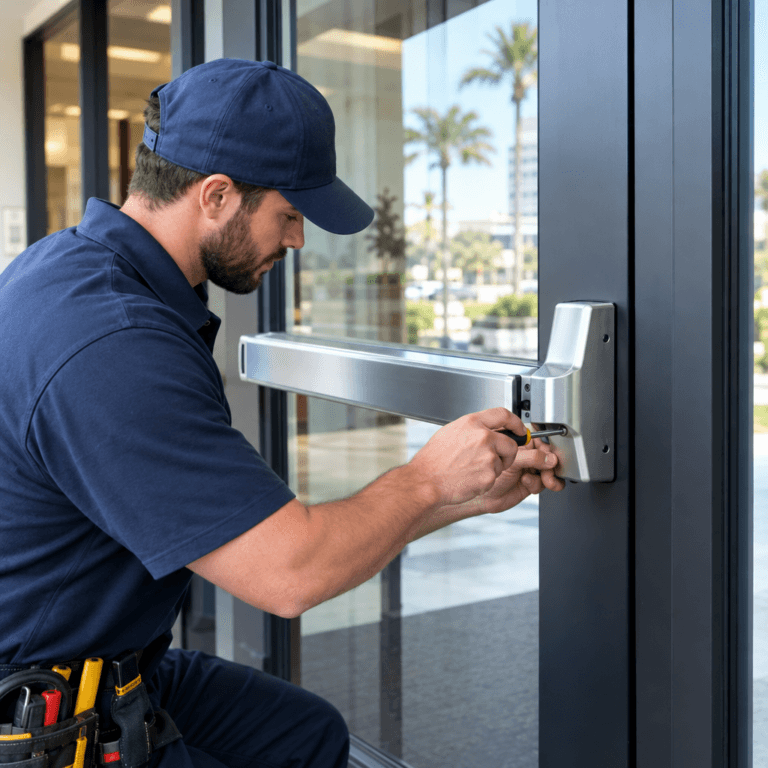
Property owners dealing with door alignment problems may also encounter issues similar to fixing push bar door lock systems in commercial buildings where improper alignment affects overall lock performance.
2. Worn-Out Keys and Metal Fatigue
Metal fatigue is one of the most common reasons keys fail.
Every time a key is inserted, turned, twisted, or removed, microscopic stress fractures develop within the metal. Over months or years, these fractures expand until the key eventually snaps.
Common warning signs include:
- Visible cracks
- Bent edges
- Rounded cuts
- Thinning grooves
- Uneven wear patterns
Older house keys are particularly vulnerable because years of friction gradually weaken the metal.
3. Excessive Force on a Sticky Lock
Keys are designed to turn a lock and not overcome significant resistance.
When people encounter a stiff lock mechanism, they often apply excessive force. Unfortunately, the weakest component in the system is usually the key itself.
A lock that suddenly becomes difficult to turn may indicate:
- Internal wear
- Lock binding
- Dirty lock pins
- Corrosion
- Misalignment
Quick Fix: If a lock feels unusually stiff, stop turning immediately and inspect the lock rather than forcing the key.
4. Dirt, Dust, and Debris Inside the Lock Mechanism
Dirt buildup gradually increases friction inside a lock cylinder.
Over time, debris enters the keyway and accumulates around the lock pins. As resistance increases, users unknowingly apply additional pressure during operation.
This extra pressure accelerates wear on both the key and the lock mechanism.
Properties located near construction zones, high-traffic commercial buildings, or dusty environments often experience this problem more frequently.
5. Rust and Corrosion Inside the Lock Cylinder
Rust and corrosion can significantly reduce lock performance.
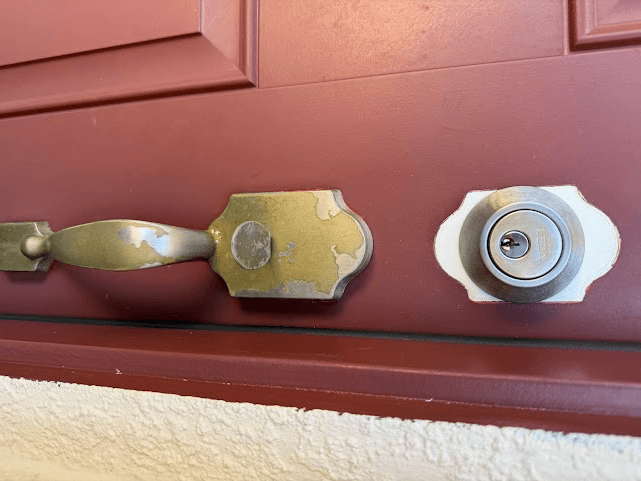
Outdoor locks exposed to moisture, rain, irrigation systems, and humidity often develop rough internal surfaces. These surfaces grip the key rather than allowing smooth movement through the lock cylinder.
Corrosion-related symptoms include:
- Rough insertion
- Grinding noises
- Difficulty removing the key
- Sticky lock operation
- Increased resistance
This issue is particularly common throughout Central Florida because prolonged moisture exposure accelerates corrosion.
6. Poorly Cut Duplicate Keys
Not all duplicate keys are created equally.
Poor-quality key duplication often creates slight variations in cuts that affect how the key interacts with lock pins. A duplicate key that appears normal may create uneven pressure inside the lock.
Over time, this can cause:
- Increased friction
- Pin misalignment
- Key bending
- Premature metal fatigue
A high-quality key copy should always be produced from the original whenever possible rather than from another duplicate.
7. Humidity and Moisture Damage
Humidity directly affects both locks and doors.
In humid climates, metal components may expand slightly while moisture encourages corrosion and internal contamination. Wooden doors can also swell, affecting overall lock alignment.
These environmental changes increase resistance and create conditions that contribute to key breakage.
Commercial buildings and residential properties throughout Orlando, Winter Garden, Lake Mary, Sanford, and Windermere frequently experience these seasonal effects.
8. Lock Binding and Internal Component Wear
Lock binding occurs when internal components no longer move freely. As lock cylinders age, internal pins, springs, and the lock plug begin to wear. This wear creates rough movement inside the mechanism.
Many people continue using a failing lock long after warning signs appear.
Common indicators include:
- Key sticking
- Rough turning
- Delayed unlocking
- Uneven pressure
- Key wobbling
These symptoms should never be ignored. Lock binding is a common issue in commercial properties where doors are used hundreds of times each day. During routine security assessments, commercial rekeying technicians often identify worn cylinders, damaged pins, and internal component wear that increase resistance inside the lock and place additional stress on keys.
9. Heavy Keychains and Constant Lateral Stress
An overloaded keychain may seem harmless, but it can gradually damage both keys and locks.
When dozens of items hang from a keychain, they create lateral stress on the key while it sits inside the lock cylinder.
This repeated torque can contribute to:
| Keychain Issue | Result |
| Excessive weight | Key bending |
| Constant movement | Stress fractures |
| Uneven pressure | Lock wear |
| Repeated torque | Key breakage |
| Poor alignment | Cylinder wear |
Even minor bending can weaken a key significantly over time.
10. Using the Wrong Key
Attempting to force the wrong key into a lock can damage both components immediately.
Although many keys appear similar, slight differences in cuts prevent proper pin alignment.
Forcing an incorrect key may:
- Damage lock pins
- Bend the key
- Scratch the keyway
- Create lock binding
- Cause a snapped key
If resistance occurs, verify the correct key before applying additional pressure.
Why Florida Weather Causes Keys to Break More Often
Florida’s climate accelerates lock deterioration faster than many other regions.
Heat, humidity, seasonal storms, moisture, and weather exposure continuously impact exterior lock systems. Residential and commercial properties alike face challenges associated with corrosion, rust, moisture intrusion, and door frame movement.
Unlike colder climates where frozen locks are a primary concern, Florida property owners are more likely to experience:
- Humidity-related lock resistance
- Corrosion inside lock cylinders
- Moisture damage to lock components
- Door expansion and contraction
- Accelerated cylinder wear
Tip: Exterior locks should be inspected at least twice per year and lubricated using graphite powder or silicone spray to reduce friction and extend lifespan.
How Broken Keys Affect Home Security
A broken key is more than an inconvenience; it can compromise security.
When a key broken in a door situation occurs, homeowners may be unable to secure entry points properly. A damaged lock cylinder can also leave the property vulnerable to unauthorized access.
Additional risks include:
- Delayed emergency access
- Lockouts
- Increased repair costs
- Damage to internal lock components
- Reduced lock reliability
In some situations, professional extraction is necessary to avoid permanent damage to the lock mechanism. This is where a residential broken key extraction expert can safely remove key fragments while preserving the lock cylinder whenever possible.
How Broken Keys Affect Commercial Properties
Broken keys can create immediate operational and security problems for businesses.
Unlike residential properties, commercial buildings often rely on multiple access points, employee entry systems, master key systems, and high-traffic doors. When a key broken in a door lock situation occurs, it can disrupt employee access, delay operations, and expose the property to security vulnerabilities.
Office buildings, retail stores, warehouses, schools, healthcare facilities, and property management companies all depend on reliable lock systems to maintain security.
Common commercial risks include:
- Restricted employee access
- Delayed opening of business operations
- Increased security concerns
- Access control disruptions
- Liability concerns for property managers
Many businesses also rely on master key systems. If one damaged key creates cylinder wear or damages lock pins, multiple doors may be affected.
Warning Signs Your Key May Break Soon
Keys rarely break without warning. Most locks and keys provide several indicators before a failure occurs.
Visible Cracks in the Key Blade
Small cracks often develop near stress points. These cracks may be difficult to see initially but can expand rapidly with continued use.
Bent Keys
A bent key is one of the clearest signs that structural integrity has been compromised.
Even minor bending can create uneven pressure inside the lock cylinder.
Rough or Jerky Operation
If the lock suddenly feels rough during operation, increased friction may be developing within the lock mechanism.
Difficulty Removing the Key
A key that frequently sticks inside the lock may indicate:
- Lock binding
- Damaged lock pins
- Corrosion
- Debris accumulation
- Cylinder wear
Unusual Grinding Sounds
Grinding noises often signal internal wear within the lock plug and pin tumbler system.
Ignoring these sounds may eventually lead to a broken key emergency.
How to Get Broken Key Out of Door
The safest way to remove a broken key depends on how much of the key remains visible.
If the broken section extends beyond the keyway, extraction may be possible using proper tools. However, forcing removal can damage the lock cylinder and increase repair costs.
Safe Steps to Follow
- Stop turning the lock immediately.
- Check whether part of the key is exposed.
- Apply graphite powder or silicone spray.
- Attempt gentle extraction only if the fragment is visible.
- Avoid forcing tools deep into the cylinder.
Quick Fix for Minor Extractions
If a small portion of the key remains exposed, needle-nose pliers may allow careful removal.
Pull straight outward rather than twisting.
When Professional Help Is Necessary
If the fragment sits deep within the cylinder, specialized extraction tools are usually required.
Attempting DIY extraction using paperclips, knives, or improvised tools can damage lock pins and internal components.
In situations involving getting broken keys out of lock, professional extraction methods often preserve the existing lock and reduce replacement costs.
How to Prevent Keys From Breaking in Locks
Preventive maintenance is the most effective way to reduce key failures.
Many lockouts occur because small warning signs are ignored for months or even years.
Replace Worn Keys Before Failure Occurs
A worn key should be replaced before visible damage becomes severe.
Look for:
- Rounded cuts
- Cracks
- Bending
- Uneven wear
- Thin grooves
Maintain Lock Cylinders Regularly
Regular maintenance helps reduce friction and internal wear.
A neglected lock cylinder often develops resistance that increases pressure on the key.
Use High-Quality Key Copies
Avoid repeatedly copying worn duplicates.
Whenever possible, create duplicates from the original key rather than from another copy.
Reduce Keychain Weight
Heavy keychains place constant torque on keys and lock cylinders.
Reducing unnecessary weight can significantly extend key lifespan.
Address Lock Problems Early
A sticking lock should never be ignored.
Early repairs often prevent larger failures involving lock cylinders, lock plugs, lock pins, and key breakage.
Advanced Security Strategies That Reduce Key Failures
Modern security planning goes beyond replacing keys.
Property owners increasingly combine traditional locks with upgraded security systems to reduce mechanical wear and improve access management.
Examples include:
- Smart lock backup systems
- Restricted key systems
- Electronic access control
- Mobile credentials
- Key card systems
Restricted key systems offer an additional benefit by reducing unauthorized duplication while improving overall key management.
For businesses with high employee turnover, access control systems can significantly reduce dependence on physical keys.
What to Do When the Key in the Lock Stops Working Properly
The key in the lock should turn smoothly with minimal effort.
If operation suddenly changes, it usually indicates a developing problem rather than normal wear.
Property owners should inspect:
- Lock cylinder condition
- Door alignment
- Key blade wear
- Corrosion levels
- Internal resistance
Addressing these issues early can prevent unexpected lockouts and emergency repairs.
What Happens When a Key Has Snapped in Lock?
A key has snapped in lock situations can affect more than just the key itself.
Depending on where the break occurs, the fragment may:
- Block the keyway
- Prevent lock operation
- Damage lock pins
- Interfere with the lock plug
- Increase cylinder wear
Immediate assessment is important because forcing the remaining fragment deeper into the lock often complicates extraction.
Conclusion
Keys break because of metal fatigue, friction, corrosion, poor-quality duplicates, lock cylinder resistance, misalignment, environmental exposure, and lack of maintenance. While many people view a broken key as an unexpected emergency, most incidents develop gradually over time.
Regular inspections, quality key duplication, lock lubrication, proper door alignment, and early repairs can significantly reduce the likelihood of key failures. Property owners throughout Central Florida can extend the lifespan of their locks and keys by understanding the warning signs and addressing small issues before they become major security problems.
Need Help With Broken Keys, Lock Repairs, or Security Upgrades?
Whether you’re dealing with a snapped key, worn lock cylinder, damaged lock hardware, or preventative security maintenance, professional assistance can help protect your property and restore reliable access.
Call All American Locksmith today at (407) 272-6040 for expert lock and key solutions, security upgrades, lock maintenance, rekeying services, and emergency locksmith assistance.