Deadbolt Lock Mechanism Guide for Apopka Homeowners
Quick Answer: A deadbolt lock mechanism secures a door by extending a solid metal bolt into the strike plate inside the door frame. It does not use a spring system and must be manually locked or unlocked using a key or thumb turn. This makes it more resistant to forced entry than standard locks. Understanding its structure, types, and failure points helps homeowners in Apopka improve home security and prevent break-ins.
What is Deadbolt Lock
A deadbolt lock is a heavy-duty locking system that uses a solid metal bolt instead of a spring latch. The deadbolt lock mechanism provides stronger resistance against forced entry because the bolt physically locks into the door frame.
Core Components of a Deadbolt System
- Solid steel bolt
- Strike plate
- Thumb turn or key slot
- Lock housing
Each part plays a direct role in how the deadbolt lock mechanism functions and maintains security integrity.
A trusted locksmith company often evaluates these components during residential security inspections to ensure proper alignment and long-term durability.
Why Deadbolts Are Used on Exterior Doors
- Higher resistance to forced entry
- No automatic unlocking system
- Strong physical engagement with door frame
- Better long-term durability
The deadbolt lock mechanism is commonly installed on front and back doors in Apopka homes due to its strength and reliability.
How Does a Deadbolt Lock Work
The deadbolt lock mechanism works by converting rotational movement from a key into linear bolt movement.
Step-by-Step Operation
- Key or thumb turn rotates the cylinder
- Internal cam activates locking system
- Bolt extends into strike plate
- Door becomes physically secured
This process ensures the deadbolt lock mechanism stays locked until manually reversed.
Why It Is More Secure Than Standard Locks
- No spring to force retraction
- Cannot be easily slipped open
- Strong resistance against vibration attacks
- Harder to manipulate from outside
Homes near areas like Rock Springs Ridge and Lake Apopka benefit from this stronger mechanical design.
Understanding Deadbolt Lock Mechanism (Internal Structure)
The deadbolt lock mechanism inside the lock is built for controlled mechanical movement and resistance.
Internal Working Components
- Pin tumbler system
- Rotating cam
- Steel bolt actuator
- Spring tension system (support only)
Internal Movement Process
- Key aligns internal pins
- Cylinder rotates freely
- Cam pushes bolt forward
- Bolt locks into frame
This internal structure ensures the deadbolt lock mechanism remains stable under force.
Quick Maintenance Tip
Use graphite lubricant instead of oil. Oil buildup can attract dust and slow down the deadbolt lock mechanism over time.
Types of Dead Bolts
Different deadbolt types influence how the deadbolt lock mechanism performs in real-world conditions.
Single Cylinder Deadbolt
- Key outside, thumb turn inside
- Most common residential option
- Balanced security and convenience
Double Cylinder Deadbolt
- Key required on both sides
- Higher resistance against glass entry
- Used in high-risk entry points
Lockable Thumb Turn Deadbolt
- Internal lock control option
- Flexible residential use
- Added safety feature for families
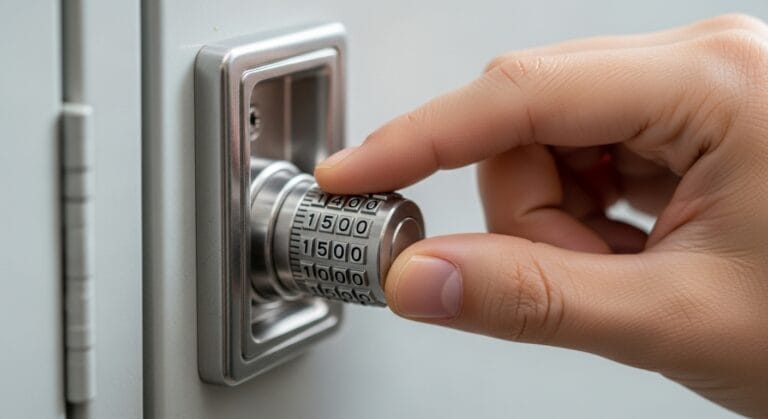
Keyless Deadbolt Systems
- Digital keypad or smart entry
- No physical key required
- Still relies on internal deadbolt lock mechanism
Many homeowners are now upgrading to smart locks for added convenience and remote access. If you are choosing a keyless entry system, it is important to compare security features, access options, and compatibility with your home’s existing hardware. Even the most advanced smart lock still depends on a reliable deadbolt lock mechanism for physical security.
Deadbolt Mechanism Comparison Table
| Feature | Deadbolt Mechanism | Spring Latch Lock |
| Security Strength | High | Low |
| Forced Entry Resistance | Strong | Weak |
| Lock Type | Manual | Automatic |
| Durability | Long-term | Moderate |
The deadbolt lock mechanism clearly provides stronger protection for exterior doors.
Deadbolt Lock Internal Mechanism Explained
The deadbolt lock internal mechanism is designed for precision and resistance under pressure.
Internal Mechanical Elements
- Cylinder pins
- Cam system
- Bolt extension rod
- Housing casing
How Internal Movement Happens
- Key insertion aligns pins
- Cylinder rotates freely
- Cam pushes bolt outward
- Bolt locks into strike plate
This ensures the deadbolt lock mechanism remains secure even under external force attempts.
Quick Fix Tip
If the lock becomes stiff, check alignment before applying force. Forcing a misaligned deadbolt lock mechanism can damage internal components.
Why Deadbolt Mechanisms Fail in Apopka Homes
Apopka’s humidity and seasonal storms can affect door structure and lock performance.
Common Failure Causes
Several factors can affect the performance of a deadbolt lock mechanism, including door swelling caused by humidity, a misaligned strike plate, rust buildup inside the cylinder, loose mounting screws, and worn internal pins. These issues can make locking and unlocking difficult, reduce security, and lead to premature lock failure if not addressed promptly.
Environmental Impact in Apopka
Homes near Lake Apopka and Wekiwa Springs often experience seasonal wood expansion, which affects lock alignment and increases stress on the deadbolt lock mechanism.
Deadbolt vs Standard Lock Performance
The deadbolt lock mechanism is significantly stronger than standard latch systems.
Key Differences
The deadbolt lock mechanism offers stronger protection against forced entry than standard latch locks, which rely on spring-loaded components. Unlike latch locks that can accidentally auto-lock, deadbolts require manual operation, giving homeowners greater control over security. These advantages make deadbolt locks a preferred choice for securing exterior doors.
Security Benefits for Apopka Homeowners
A properly installed deadbolt lock mechanism improves residential safety across Apopka neighborhoods.
Key Benefits
- Stronger resistance to break-ins
- Improved door stability
- Reduced vulnerability at entry points
- Visible deterrent to intruders
Homes near Kelly Park and Rock Springs Ridge benefit greatly from upgraded deadbolt systems.
Local Locksmith Insight for Apopka Homes
Florida weather conditions can stress door frames and affect lock performance.
If issues persist, a professional locksmith company in Apopka, FL can inspect alignment and restore proper function of the deadbolt lock mechanism.
Basic Maintenance Tips
A well-maintained lock ensures smooth operation and extends the lifespan of your security system. Regular care also prevents unexpected jamming or misalignment issues in daily use.
Preventive Maintenance Steps
- Tighten strike plate screws regularly
- Lubricate cylinder annually
- Inspect door alignment after storms
- Replace worn keys early
Quick Daily Checks
- Test lock smoothness
- Ensure full bolt extension
- Listen for grinding sounds
These steps help maintain the deadbolt lock mechanism for long-term use.
Signs of Wear in Deadbolt Systems
Several warning signs can indicate problems with a deadbolt lock mechanism, including difficulty turning the key, incomplete bolt extension, a loose lock housing, or scraping and grinding noises during operation. Ignoring these issues can lead to lock failure and compromised security, so prompt inspection and repair are recommended.
Door Frame & Strike Plate Importance
The strike plate is the anchor point of the deadbolt lock mechanism. If it loosens, security weakens significantly.
Reinforced strike plates with long screws improve resistance against forced entry and extend lock lifespan.
Common Deadbolt Security Weak Points
Even a strong deadbolt lock mechanism can become vulnerable if surrounding components are weak or improperly installed.
Entry Force Pressure Points
- Door frame splitting under force
- Loose hinge alignment
- Weak strike plate screws
- Hollow core doors without reinforcement
Most Overlooked Vulnerability Areas
- Side door entrances
- Garage entry doors
- Backyard access doors
- Older wooden frames in Apopka homes
Homes around Lake Apopka and older residential zones are especially affected when door frames expand due to humidity, weakening the deadbolt lock mechanism alignment.
Reinforcing a Deadbolt for Maximum Protection
A properly reinforced deadbolt lock mechanism increases resistance against forced entry significantly.
Reinforcement Methods
- Installing 3-inch strike plate screws
- Adding door frame reinforcement plates
- Using solid core exterior doors
- Upgrading to hardened steel bolts
Quick Improvement Fixes
- Tighten strike plate screws immediately
- Replace worn-out hinges
- Check bolt alignment weekly
- Reinforce door frame corners
These quick fixes can dramatically improve how the deadbolt lock mechanism performs without replacing the entire system.
Deadbolt Wear and Environmental Damage in Apopka
Apopka’s weather plays a direct role in how long a deadbolt lock mechanism lasts.
Weather-Related Issues
Florida’s high humidity can cause internal rust to develop within lock components, while seasonal changes often lead to wood door expansion and contraction. Strong storms may affect door alignment, and temperature fluctuations can cause metal parts to expand and contract, placing additional stress on the deadbolt lock mechanism.
Long-Term Damage Effects
Over time, environmental wear can reduce bolt smoothness, increase key resistance, and cause cylinder jamming. These conditions may also lead to misaligned locking engagement, making the lock more difficult to operate and less reliable. Homes near Wekiwa Springs and Kelly Park often experience seasonal door expansion that places extra strain on the deadbolt lock mechanism.
Types of Failures in Deadbolt Mechanisms
Understanding the different types of failures can help homeowners identify problems early and prevent unexpected lock issues.
Mechanical Failures
Mechanical failures often occur when internal lock components wear out or break. Common examples include a broken internal cam, worn pin tumblers, a bent bolt shaft, or spring fatigue inside the lock housing. These issues can make the deadbolt difficult to operate and reduce its overall reliability.
Alignment Failures
Alignment-related problems usually develop when the door or frame shifts over time. High humidity can cause doors to expand, while frame warping and strike plate misalignment can prevent the bolt from extending and retracting properly. Even a slight alignment issue can place extra strain on the deadbolt lock mechanism.
Usage Failures
Everyday habits can also contribute to lock failure. Applying excessive force when turning the key, neglecting proper lubrication, and ignoring early warning signs of wear can accelerate damage to internal components. Over time, these practices reduce the effectiveness and lifespan of the deadbolt lock mechanism.
Deadbolt Security Strength Compared to Other Systems
A deadbolt lock mechanism remains one of the most reliable physical security systems in residential protection.
Security Strength Ranking
| Lock Type | Resistance Level | Best Use Case |
| Latch Lock | Low | Interior doors |
| Knob Lock | Low-Medium | Bedrooms |
| Smart Lock | Medium-High | Convenience entry |
| Deadbolt Lock Mechanism | Very High | Exterior doors |
The deadbolt lock mechanism continues to be the preferred option for homeowners in Apopka due to its strong physical locking structure.
Advanced Deadbolt Functionality in Modern Homes
Modern upgrades have enhanced how the deadbolt lock mechanism integrates with today’s home security systems, providing greater protection, convenience, and control.
Modern Enhancements
Many modern deadbolts now include advanced security features such as anti-drill cylinders, reinforced steel bolts, smart key integration systems, and biometric access compatibility. These enhancements improve resistance against unauthorized entry while making access management more convenient for homeowners.
Smart Integration Benefits
Smart deadbolt systems offer a range of benefits, including remote locking and unlocking, entry history tracking, temporary access codes for guests or service providers, and seamless integration with home automation platforms. Despite these technological advancements, every smart lock still depends on a reliable deadbolt lock mechanism to physically secure the door and provide essential protection.
Maintenance Schedule for Deadbolt Systems
Proper maintenance extends the lifespan of a deadbolt lock mechanism significantly.
Monthly Maintenance
- Test lock smoothness
- Check bolt alignment
- Inspect strike plate screws
Quarterly Maintenance
- Clean cylinder housing
- Check door frame movement
- Test full lock engagement
Yearly Maintenance
- Deep lubrication service
- Replace worn internal components
- Inspect door structural integrity
Quick Troubleshooting Guide
When a lock starts acting up, identifying the issue early can prevent bigger damage to the system. Most deadbolt problems are caused by minor alignment or wear issues that can be fixed quickly if addressed on time.
Common Issues and Fixes
- Key is hard to turn
→ Clean cylinder and realign door frame - Bolt does not fully extend
→ Tighten strike plate screws - Lock feels loose
→ Replace mounting screws - Door sticks when locking
→ Check humidity-related expansion
These quick solutions restore proper function of the deadbolt lock mechanism in most residential cases.
Final Security Insight for Homeowners
A strong deadbolt lock mechanism remains one of the most cost-effective and reliable ways to secure residential properties in Apopka. While modern technology adds convenience, physical lock strength is still the foundation of home security.
Homes near Kelly Park, Wekiwa Springs, and Lake Apopka benefit greatly from properly maintained deadbolt systems due to environmental and structural conditions affecting door frames.
For long-term safety, combining proper installation, routine maintenance, and timely upgrades ensures maximum performance of the deadbolt lock mechanism.
Call to Action – Apopka Locksmith Experts
If you are experiencing issues with your door security or want to upgrade your deadbolt lock mechanism, professional help is just a call away.
All American Locksmith
📞 (407) 272-6040
Get fast, reliable, and expert locksmith services in Apopka to secure your home, improve lock performance, and restore full protection to your property.