How to Open a Lock Without a Key
(Safe & Proven Methods)
6 non-destructive methods for pin tumbler locks, combination locks, deadbolts, lock boxes & safes
Locked Out? Call +1 (407) 272-6040Opening a lock without a key is achievable through 6 safe, non-destructive methods, including bobby pin picking, credit card shimming, combination resetting, bump key techniques, shim tools, and professional locksmith intervention. These methods apply to pin tumbler locks, combination locks, deadbolts, door knob locks, lock boxes, and padlocks without causing permanent damage. This guide covers 7 lock types and 6 proven access methods organized by lock type and situation.
Understanding How Locks Work
Locks operate through a cylinder-and-pin mechanism where the correct key aligns spring-loaded pins at the shear line, allowing the cylinder to rotate and retract the bolt. Understanding this mechanism is the foundation for applying any keyless access method correctly.
According to the Associated Locksmiths of America (ALOA), the 4 primary mechanical principles governing lock function are pin alignment, shear line clearance, bolt retraction, and cylinder rotation. Each keyless method targets one or more of these principles.
Types of Locks
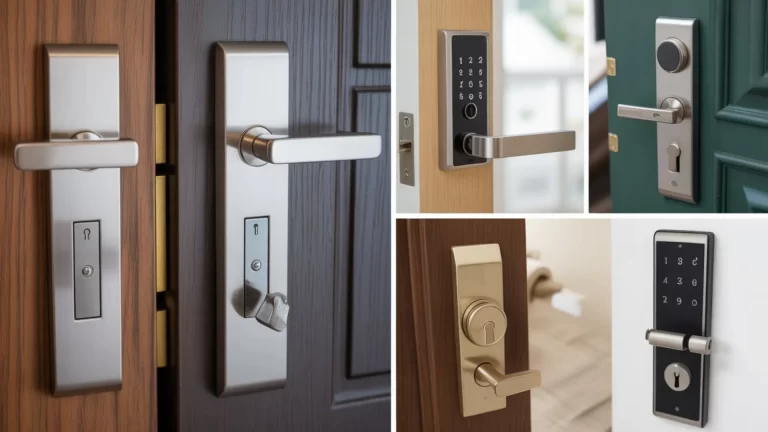
There are 4 main types of locks used in residential and commercial applications: pin tumbler locks, combination locks, deadbolt locks, and smart/electronic locks.
| Lock Type | Common Use | Primary Access Method |
|---|---|---|
| Pin Tumbler | Door knobs, padlocks, cylinders | Lock picking, bump key |
| Combination | Padlocks, safes, luggage | Dial manipulation, code recovery |
| Deadbolt | Exterior doors | Locksmith, drilling (last resort) |
| Smart/Electronic | Modern doors, safes | Manufacturer reset, app override |
Key Components of a Lock
A lock consists of 5 core components: the plug (cylinder), driver pins, key pins, springs, and the shear line. Each component determines which keyless entry method is applicable.
The plug is the rotating cylinder that turns when correct pin alignment occurs. Driver pins sit above the shear line and are pushed down by springs. Key pins sit below the driver pins and are lifted by the key’s cuts. The shear line is the gap between the plug and the lock housing where pins must align for the cylinder to rotate.
When You Need to Open a Lock Without a Key
There are 3 primary scenarios that require opening a lock without a key: a lost key, a forgotten combination, and a jammed or frozen lock. Each scenario calls for a different method based on the lock type and urgency level.
Lost Key Scenario
A lost key requires either lock picking, credit card shimming, or locksmith services, depending on the lock type involved. Pin tumbler locks respond to picking methods. Deadbolts and high-security locks require professional locksmith intervention.
The National Crime Prevention Council reports that 20% of home lockouts result from lost keys. Non-destructive entry methods preserve the lock and eliminate the need for immediate lock replacement. A lost house key replacement service provides a faster, damage-free solution for most residential lockouts.
Forgot Combination
A forgotten combination is resolved through 3 methods: manufacturer reset procedures, authorized code recovery from purchase documentation, or systematic trial-and-error for low-digit combination locks.
Most combination lock manufacturers, including Master Lock and Abus, provide official combination recovery services that require proof of ownership and serial number verification. A detailed walkthrough of all recovery methods is available in the how to open a combination lock guide.
Jammed or Frozen Lock
A jammed lock is opened by applying graphite lubricant, while a frozen lock responds to de-icing spray or gentle heat application using a hair dryer at low setting. Physical force is not applied in either case, as it damages the cylinder and bolt mechanism.
Best Methods to Open a Lock Without a Key
There are 6 best methods to open a lock without a key: bobby pin picking, paperclip picking, credit card shimming, combination dial manipulation, bump key entry, and professional locksmith services. Method selection depends on the lock type, available tools, and legal access rights.
Non-Destructive Methods
Non-destructive methods preserve the lock’s integrity and include picking, shimming, and manipulation techniques. These methods are applicable when the person has legal ownership or authorized access to the locked property.
Using a Bobby Pin
EasyA bobby pin opens a pin tumbler lock by functioning as a tension wrench and pick simultaneously, applying rotational pressure to the cylinder while lifting individual pins to the shear line.
To open a pin tumbler lock with a bobby pin, follow these 6 steps:
- Straighten one bobby pin into an L-shape to create a tension wrench.
- Bend the tip of a second bobby pin upward at a 45-degree angle to create the pick.
- Insert the tension wrench into the bottom of the keyhole and apply light rotational pressure in the direction the key turns.
- Insert the pick into the upper portion of the keyhole.
- Feel for individual pins by pushing the pick upward while maintaining tension.
- Set each pin at the shear line by lifting until a slight click is felt, then repeat for all 5 to 6 pins until the cylinder rotates.
Bobby pin picking is most effective on basic pin tumbler locks such as interior door knobs and standard padlocks. It is not effective on high-security locks featuring anti-pick pins, such as Medeco or Abloy cylinders. Once access is regained, key duplication in Orlando prevents future lockouts.
Using a Paperclip
EasyA paperclip functions as a lock pick by mimicking the action of a bobby pin on standard pin tumbler locks. The paperclip must be straightened and reshaped into a pick and tension wrench configuration before use.
Paperclip picking follows the same 6-step process as bobby pin picking. The primary limitation is material strength: paperclips are softer than bobby pins and are more prone to bending under sustained tension. Paperclip picking is most reliable on low-security padlocks with 3 to 4 pin stacks.
Using a Credit Card
Easy — Spring Latches OnlyA credit card opens spring-loaded latch locks by sliding between the door frame and the latch bolt, compressing the latch inward until the door opens. Credit cards are not effective on deadbolt locks, mortise locks, or rim latches.
To open a spring latch with a credit card, follow these 4 steps:
- Insert a flexible card (loyalty card or gift card preferred over bank cards) into the gap between the door and the frame, level with the latch.
- Angle the card toward the latch bolt at a 45-degree angle.
- Push and wiggle the card toward the latch while simultaneously pushing the door.
- Maintain steady inward pressure until the latch compresses and the door swings open.
Combination Locks Guide
Combination locks are opened through 4 techniques: dial manipulation, shim entry, manufacturer reset, and systematic code testing. The applicable technique depends on whether the combination is unknown or the lock mechanism is damaged.
According to Sargent & Greenleaf, a leading lock manufacturer, combination locks contain either 3 disc rotors or 4 disc rotors that must align at designated notch positions for the bolt to retract. For a complete step-by-step breakdown of dial sequences, refer to the how to open a combination lock guide.
3-Digit & 4-Digit Locks
A 3-digit combination lock has 1,000 possible combinations, while a 4-digit lock has 10,000 possible combinations. Systematic testing of all combinations on a 3-digit lock takes approximately 2 to 3 hours at 3 seconds per attempt.
Luggage locks with 3-digit systems, such as those from Samsonite and Travelpro, include reset buttons that allow combination changes without the original code.
Forgot Combination Fix
A forgotten combination is recovered through 3 official channels: manufacturer recovery services, retailer purchase record lookup, and locksmith-assisted decoding.
Master Lock provides a combination recovery form at their official website that processes requests within 5 to 7 business days. Abus and Brinks offer similar services for their registered combination lock models. These services are free of charge for original purchasers.
Door Locks Without Key
Door locks without a key are opened through 3 method categories: latch manipulation, cylinder picking, and emergency locksmith services.
Door Knob Locks
A door knob lock contains a spring latch mechanism that opens using a credit card, a thin shim tool, or a bobby pin pick when the latch is not protected by a deadbolt. Interior door knobs typically use simple 4-pin or 5-pin cylinders that respond to single-pin picking.
Deadbolt Locks
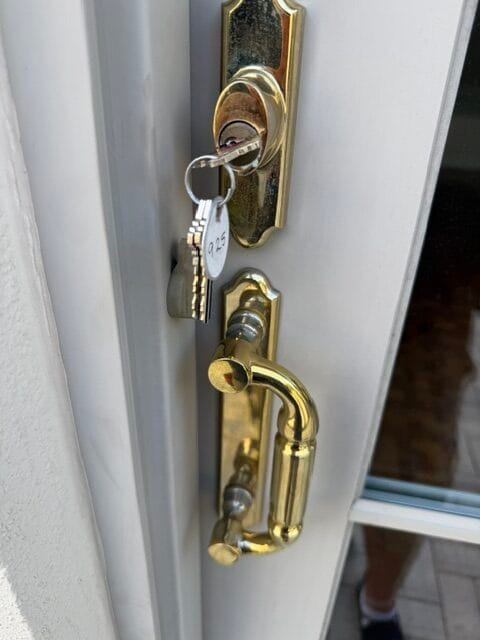
A deadbolt lock requires lock picking tools, a bump key, or professional locksmith services due to its solid bolt that extends deep into the door frame without a spring mechanism.
Opening a Door Lock from Outside
Opening a door lock from outside without a key requires 1 of 4 approaches: window access, unlocked secondary entry point, hidden spare key retrieval, or licensed locksmith dispatch.
According to HomeAdvisor, the average locksmith service call costs between $65 and $185 USD depending on lock type and time of day. A detailed cost breakdown by service type is covered in the how much does a locksmith cost guide. For immediate dispatch, emergency locksmith services cover all Orlando zip codes with a 15 to 45 minute arrival window.
Lock Boxes, Safes & Storage
Lock boxes, safes, and storage units use 3 distinct locking systems: electronic keypads, combination dials, and key cylinders. Each system has a specific non-destructive access method.
Lock Box with Code
A lock box with a forgotten code is opened through manufacturer reset procedures or authorized realtor master code access. Electronic lock boxes, such as those used by Supra and Sentrilock, require battery power and PIN verification for access.
Safe Combination Locks
A safe combination lock is opened through dial manipulation, electronic keypad override, or certified safe technician services. Dial safes from brands such as Sargent & Greenleaf and Gardall require precise dial rotation sequences to align internal disc rotors.
How to Choose the Right Method
The right method is determined by 3 factors: the lock type, the available tools, and the user’s technical skill level. The decision table below maps each lock type to its most accessible and safest entry method.
| Lock Type | Situation | Recommended Method | Skill Level |
|---|---|---|---|
| Pin Tumbler (knob/padlock) | Lost key | Bobby pin / paperclip picking | Beginner |
| Spring Latch (door knob) | Lost key | Credit card shimming | Beginner |
| Combination (padlock) | Forgot code | Manufacturer reset / systematic test | Beginner |
| Combination (safe/lockbox) | Forgot code | Manufacturer reset / technician | None required |
| Deadbolt | Lost key | Licensed locksmith | Professional |
| Smart Lock | Code/app failure | Manufacturer app reset / technician | Beginner |
| Frozen Lock | Weather damage | Graphite lubricant / de-icer spray | Beginner |
Common Mistakes to Avoid
There are 5 common mistakes that damage locks or delay access when attempting to open a lock without a key.
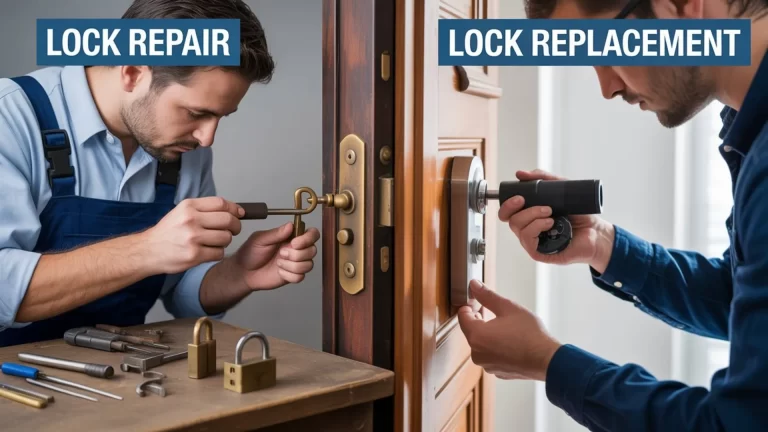
- Applying excessive force: Forced entry bends the cylinder plug, breaks spring mechanisms, and permanently damages the lock, requiring full replacement at an average cost of $80 to $300 USD. Understanding when damage is repairable versus when full replacement is needed is covered in the lock repair vs lock replacement guide.
- Using the wrong tool for the lock type: Credit cards are used on spring latches only. Picking tools are used on pin tumbler cylinders only. Using metal tools incorrectly inside a keyway can result in tool breakage requiring professional broken key extraction before the lock is usable again.
- Neglecting simpler entry points: Unlocked windows, rear doors, and garage entry doors resolve the majority of residential lockouts without any lock interaction.
- Over-rotating the tension wrench: Applying too much rotational pressure prevents pins from reaching the shear line, causing all previously set pins to drop.
- Ignoring legal access boundaries: Attempting to open a lock on property without legal ownership or authorization constitutes illegal entry under criminal law in all 50 U.S. states.
Safety & Legal Considerations
Opening a lock without a key is legal only when performed on property that the person owns, rents, or has explicit written authorization to access. Unauthorized lock bypass constitutes breaking and entering under criminal law, regardless of the method used or the absence of physical property damage.
According to the American Bar Association, lock picking without authorization is classified as a criminal offense under burglary or trespass statutes in all U.S. states. Penalties range from misdemeanor charges to felony convictions depending on intent and jurisdiction.
Lock picks, bump keys, and bypass tools are legal to own in most U.S. states but illegal to carry with intent to use for unauthorized entry. 17 states classify possession of lock picks with criminal intent as a separate criminal offense.
When to Call a Professional Locksmith
A professional locksmith is the correct solution in 5 specific situations: deadbolt lockouts, high-security cylinder lockouts, situations where DIY methods have failed, emergency access requirements, and commercial property lockouts with complex locking systems. The most common reasons you need a professional locksmith covers all residential and commercial scenarios where DIY methods are insufficient.
Medeco, Mul-T-Lock, and Abloy cylinders resist standard DIY picking methods and require specialist tools and training.
Continued amateur attempts risk bending the keyway, breaking pick tools inside the cylinder, or snapping the bolt mechanism.
A licensed locksmith arrives within 15 to 30 minutes in most urban areas and opens locks without damage to the door or frame.
Master key systems require specialized decoding tools to avoid disrupting the entire key hierarchy across multiple access points.
Commercial-grade mortise locks, electromagnetic locks, and access control systems require licensed commercial locksmith services.
Frequently Asked Questions
Still Locked Out? We’re Here 24/7
Licensed, insured, ALOA-certified locksmith. 15–45 minute response time across Orlando and surrounding areas.
Call Now: +1 (407) 272-6040